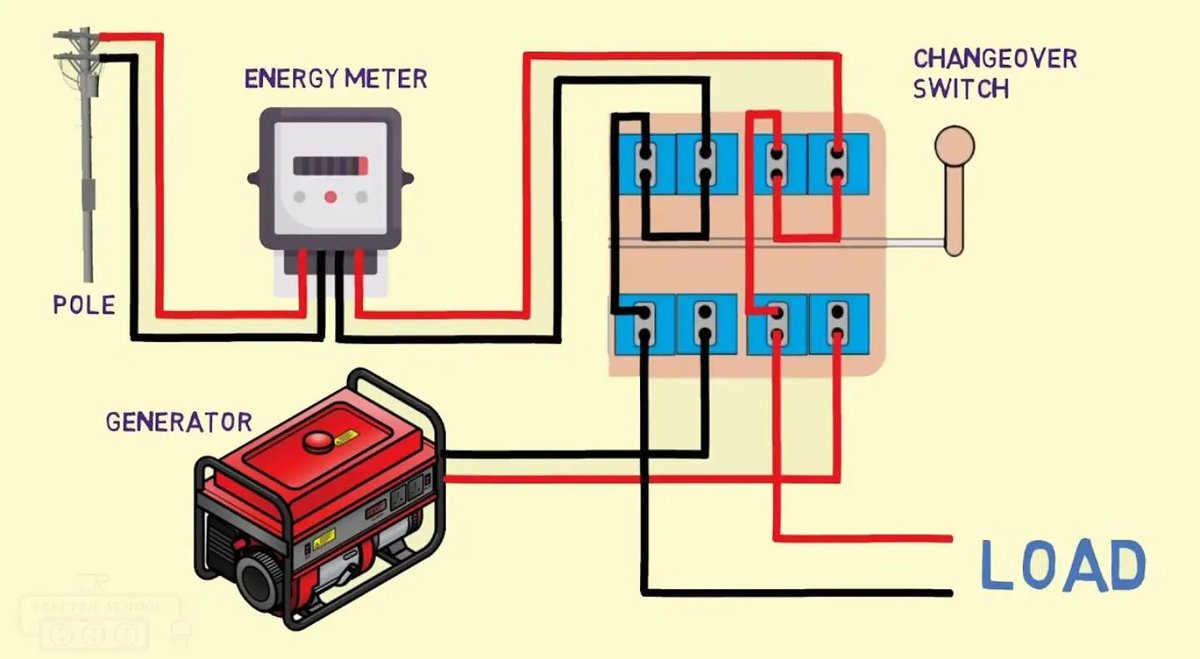
When the lights go out, a manual transfer switch (MTS) is your home's unsung hero, the vital link that lets you seamlessly — and safely — tap into generator power. But like any powerful tool, operating your manual transfer switch requires precision, understanding, and a healthy respect for electricity. It's not just about flipping a switch; it's about protecting your home, your appliances, and most importantly, the lives of utility workers.
This guide is for homeowners who want to feel confident and prepared the next time an outage strikes. We'll demystify the MTS, walking you through every critical step, from powering up your home to safely returning to grid power. Consider this your go-to manual, written by an expert who believes that knowledge is the ultimate backup plan.
At a Glance: Your MTS Outage Checklist
- Safety First: Always prioritize safety. Never attempt to operate an MTS if you're unsure or uncomfortable.
- Fuel Up & Test: Ensure your generator is fueled, maintained, and regularly tested before an outage.
- Utility Off, Then Generator On: The Golden Rule: Disconnect from utility power before connecting your generator.
- Load Management: Only power essential circuits to avoid overloading your generator.
- Monitor Closely: Keep an eye on your generator's performance and fuel levels during operation.
- Return Safely: Follow the correct shutdown sequence to switch back to utility power without incident.
- Professional Help: For installation or major concerns, always call a licensed electrician.
Why Your Manual Transfer Switch is Non-Negotiable for Generator Safety
Before we dive into the nuts and bolts of operation, let's quickly underscore why a manual transfer switch isn't just a convenience – it's a critical safety device. At its core, a manual transfer switch is a sophisticated switchboard designed to isolate your home's electrical system from the main power grid when you're running a generator.
Without an MTS, directly plugging a generator into your home's outlets or electrical panel can lead to a phenomenon called "backfeeding." This is where electricity flows from your generator back into the utility lines. Imagine a utility worker trying to repair a downed line, believing it to be dead, only for your generator to send a lethal jolt of electricity through it. Backfeeding is incredibly dangerous, often fatal, and illegal. The MTS prevents this by physically disconnecting your home from the utility grid before allowing generator power to flow in. It's a non-negotiable step in safe generator use. For a deeper dive into these essential devices, explore our comprehensive guide on manual transfer switches for generators.
Laying the Groundwork: Professional Installation is Key
While this article focuses on operating your manual transfer switch, it's impossible to overstate the importance of proper installation. An MTS isn't a DIY weekend project unless you are a qualified electrician. Incorrect wiring or grounding can lead to system damage, fire hazards, or severe injury.
A licensed electrician will:
- Choose the Optimal Location: Typically near your main electrical panel, in an accessible, dry area.
- Turn Off Main Breaker: The first safety step for any electrical work.
- Wire Correctly: Connect the generator input, utility input, and the output to your home's electrical panel meticulously.
- Ensure Proper Grounding: Crucial for safety and system protection.
- Test Thoroughly: Simulate an outage to confirm everything works as expected.
If you haven't had your MTS professionally installed, or if you have any doubts about its installation, stop here and consult a licensed electrician. Your safety, and the safety of others, depends on it. A well-installed MTS is the foundation for safe operation.
Preparing for the Outage: Always Be Ready
The moment an outage hits isn't the time to start wondering if your generator works or if you have enough fuel. Preparedness is your greatest asset.
1. Maintain Your Generator Like Clockwork
Regular generator maintenance isn't optional; it's a requirement for reliability. This includes:
- Fuel Check: Always have a fresh, ample supply of fuel (gasoline, propane, diesel) on hand, stored safely. Old fuel can gum up carburetors and prevent starting.
- Oil Levels: Check and change the oil according to manufacturer specifications.
- Battery Condition: For electric-start generators, ensure the battery is charged and terminals are clean.
- Air Filter: Clean or replace as needed.
- Spark Plug: Inspect and replace if fouled.
Think of it like a fire drill: you practice before the emergency. We've compiled a generator maintenance checklist that can help you stay on top of these tasks.
2. The All-Important Test Run
You should start your generator and connect it to your MTS for a test run at least once a month (or as recommended by the manufacturer) for about 15-30 minutes. This achieves several things:
- Keeps Components Lubricated: Prevents seals from drying out.
- Circulates Fuel: Helps prevent fuel stagnation.
- Confirms Operation: Ensures it starts and runs under a light load.
- Familiarizes You: Keeps you comfortable with the operating procedure.
During your test run, you don't necessarily need to power your entire house, but ensure the transfer switch operates smoothly and the generator is producing power.
The Moment of Truth: Operating Your Manual Transfer Switch During an Outage
When the power inevitably flickers and dies, take a deep breath. You're prepared. Here's the step-by-step process for safely getting your home back online with generator power:
Step 1: Secure Your Generator
First, bring your generator to its designated, safe operating location. This location must be:
- Outdoors: Never run a generator indoors, in a garage, carport, or near windows/doors. Carbon monoxide is an odorless, colorless, deadly gas.
- Well-Ventilated: Ensure plenty of open air circulation.
- Away from the Home: At least 10-20 feet away to minimize CO risk and noise.
- Protected: From rain or snow, ideally under an open canopy or purpose-built enclosure, but never in an enclosed space.
Connect your generator to the inlet box of your manual transfer switch using the appropriate heavy-duty power cord. Ensure all connections are secure and watertight if exposed to elements.
Step 2: Start Your Generator
Now, it's time to fire up the generator itself.
- Choke (if applicable): Apply the choke according to your generator's starting instructions.
- Fuel Valve: Open the fuel valve.
- Ignition: Turn the ignition switch to the "on" position.
- Start: Pull the recoil start cord or press the electric start button.
- Warm-up: Once running, gradually push the choke back in (if used). Let the generator run for a few minutes to warm up and stabilize its output. You should hear the engine running smoothly.
Step 3: Disconnect from the Grid (Crucial Safety Step!)
This is the most critical safety step when operating your manual transfer switch.
- Locate Main Breaker: Go to your home's main electrical panel.
- Flip Main Utility Breaker OFF: Find the large main circuit breaker that controls all incoming utility power. Flip this breaker to the "OFF" position. This physically severs the connection between your home and the utility grid, absolutely preventing backfeeding.
Some MTS units might have a single main utility breaker integrated directly into the transfer switch panel itself, eliminating the need to go to your main electrical panel. Always follow your specific MTS and generator manuals.
Step 4: Switch the Transfer Switch to Generator Power
Now that your home is safely isolated from the utility, you can engage generator power.
- Locate MTS Switch: Go to your manual transfer switch.
- Flip to "Generator" Position: You'll typically see a large toggle switch or lever with positions like "Utility," "Off," and "Generator." Move this switch firmly to the "GENERATOR" position.
At this point, your home's pre-selected circuits are now connected to your running generator.
Step 5: Activate Essential Circuits (Load Management)
Most manual transfer switches power specific circuits you've chosen in advance.
- Individual Breakers: If your MTS has individual circuit breakers, only switch "ON" the breakers for the circuits you absolutely need.
- Avoid Overload: Do not turn on every circuit. Your generator has a limited capacity (wattage). Overloading it can damage the generator, trip its internal breakers, or lead to premature wear. Prioritize:
- Refrigerator/Freezer
- Well pump (if applicable)
- Select lighting circuits
- A few outlets for charging devices
- A fan or small heater (one at a time)
- Stagger Start-ups: If you have high-draw appliances like a well pump or furnace, turn them on one at a time, allowing the generator to stabilize after each addition.
Understanding choosing the right generator for your home involves carefully calculating your essential wattage needs. This preparation will pay off in managing your load during an outage.
Step 6: Monitor Your System
Once your essential circuits are powered, don't just set it and forget it.
- Generator Performance: Listen for any changes in engine sound, smoke, or excessive vibration.
- Fuel Levels: Regularly check the fuel gauge. Plan for refueling before it runs dry, and always shut down the generator before adding fuel.
- Appliance Function: Ensure your chosen appliances and lights are working normally.
- CO Detectors: Verify your carbon monoxide detectors (battery-operated backups are a good idea) are functioning correctly.
Returning to Grid Power: The Safe Shutdown Sequence
The moment the utility power returns is a welcome relief, but it’s crucial to reverse the process safely and systematically. Rushing this step can be just as dangerous as improper startup.
Step 1: Turn Off Individual Circuits on the MTS
Before switching back, it's a good practice to reduce the load on your generator.
- Flip Off Circuits: Go to your manual transfer switch and turn "OFF" the individual circuit breakers that you had switched on. This reduces the immediate surge when switching back to utility power.
Step 2: Switch the Manual Transfer Switch to "Utility"
This is the main step to reconnect your home to the grid.
- Locate MTS Switch: Go to your manual transfer switch.
- Flip to "Utility" Position: Move the large toggle switch or lever firmly from the "GENERATOR" position to the "UTILITY" position. Some MTS units might have an "OFF" position you pass through briefly; follow your specific model's instructions.
Your home is now receiving power from the utility grid again.
Step 3: Turn Off and Disconnect Your Generator
With utility power restored and your home reconnected to the grid, it's time to safely shut down your generator.
- Run for a Few Minutes (No Load): Let the generator run for a couple of minutes with no load (all MTS circuits off) to cool down.
- Turn Off Ignition: Flip the generator's ignition switch to the "OFF" position.
- Close Fuel Valve: Close the fuel valve (if applicable) to prevent fuel evaporation and potential leaks.
- Disconnect: Unplug the power cord from the generator and from the MTS inlet box.
- Store Safely: Allow the generator to cool completely before storing it in a dry, safe place. If storing for an extended period, consider fuel stabilizer or draining the fuel tank.
Step 4: Re-engage Main Utility Breaker
The final step is to restore full power to your home from the utility grid.
- Locate Main Breaker: Go back to your home's main electrical panel.
- Flip Main Utility Breaker ON: Flip the main utility circuit breaker back to the "ON" position.
At this point, your home is fully back on grid power, and your generator system is safely disengaged.
Essential Considerations and Best Practices
Mastering the operation of your manual transfer switch extends beyond just following the steps. It involves adopting best practices that ensure long-term safety and readiness.
Carbon Monoxide: The Silent Killer
We cannot stress this enough: Never run a generator indoors. Carbon monoxide (CO) is a byproduct of combustion, and it's invisible, odorless, and deadly.
- CO Detectors are Mandatory: Install battery-operated carbon monoxide detectors on every level of your home, especially near sleeping areas. Test them regularly.
- Generator Placement: Always operate your generator outdoors, far from windows, doors, and vents that could allow CO to seep indoors. Wind direction matters; position it so exhaust blows away from your home.
This is a critical aspect of essential generator safety tips that every homeowner must internalize.
Load Management is an Art
Understanding your generator's capacity and your home's needs is crucial.
- Know Your Wattage: Calculate the starting and running watts of your essential appliances. Your generator's manual will list its maximum output. Never exceed it.
- Staggered Starts: Starting multiple high-amperage appliances simultaneously can create a surge that trips your generator's breaker or damages the engine. Turn them on one at a time.
- Non-Essential Off: During an outage, turn off anything you don't absolutely need: extra lights, entertainment systems, dishwashers, clothes dryers, central air conditioning (unless specifically sized for your generator), and electric water heaters.
This is a fundamental difference between options like portable vs. standby generators, where standby units are designed to handle much larger, more automatic loads.
Fuel Storage and Safety
- Fresh Fuel: Use fresh fuel. Gasoline degrades over time, especially when exposed to air.
- Stabilizer: For gasoline, use a fuel stabilizer if you're not going through fuel quickly.
- Safe Storage: Store fuel in approved containers, away from living areas, heat sources, and direct sunlight. Keep it locked and out of reach of children.
- No Smoking: Never refuel a running or hot generator, and never smoke near fuel.
Regular Testing: Your Preparedness Insurance
As mentioned, regular test runs keep your generator in top condition and you familiar with its operation. Make it a routine part of your home maintenance schedule. It's the best way to ensure your investment pays off when you need it most.
Common Questions About Manual Transfer Switch Operation
Can I run my generator with the main utility breaker ON?
Absolutely NOT. This is the definition of backfeeding, which is extremely dangerous, illegal, and can be fatal to utility workers. The main utility breaker must be in the "OFF" position before you engage your manual transfer switch to generator power.
My generator keeps tripping its breaker. What's wrong?
This usually indicates an overload. You are trying to power too many appliances or appliances with high starting wattage (like a refrigerator compressor kicking on).
- Turn off some non-essential circuits.
- If using individual breakers on the MTS, try turning them on one by one, allowing the generator to stabilize after each.
- Ensure your generator's wattage matches your total essential load requirements.
How do I know if the utility power is back?
You might notice neighbors' lights coming on, or a specific indicator light on your MTS (if equipped) illuminating. Some people connect a single lamp to an unswitched circuit in their home, which will light up when utility power returns.
What if my generator runs out of fuel during an outage?
If your generator runs out of fuel, it will simply stop. This is essentially an uncontrolled shutdown.
- Shut Down Generator: Turn off the ignition switch.
- Refuel Safely: Allow the generator to cool down completely before adding fuel. Never refuel a hot generator.
- Restart: Once refueled, you can restart the generator and resume operation following the steps outlined above.
It's better to refuel before it runs dry to avoid the hassle and potential stress on the system.
How long can I run my generator continuously?
Most portable generators are designed for intermittent use, not continuous operation for days on end. Consult your generator's manual for recommended run times and maintenance intervals. Over-stressing a generator without breaks can lead to overheating and premature wear. Some high-end models or standby generators are designed for much longer continuous operation.
Confidence in the Dark: Your Next Steps
Operating your manual transfer switch safely during an outage isn't rocket science, but it demands respect and adherence to a strict sequence of steps. By understanding the "why" behind each action, practicing regularly, and maintaining your equipment, you transform a potentially stressful situation into a manageable inconvenience.
You now have the knowledge to confidently power your home with your generator, protecting yourself, your family, and the hardworking utility personnel. Take the time to review your generator and MTS manuals, perform a test run, and ensure you have all necessary supplies (fuel, extension cords, CO detectors) on hand.
The next time the power goes out, you won't be caught off guard. You'll be ready.