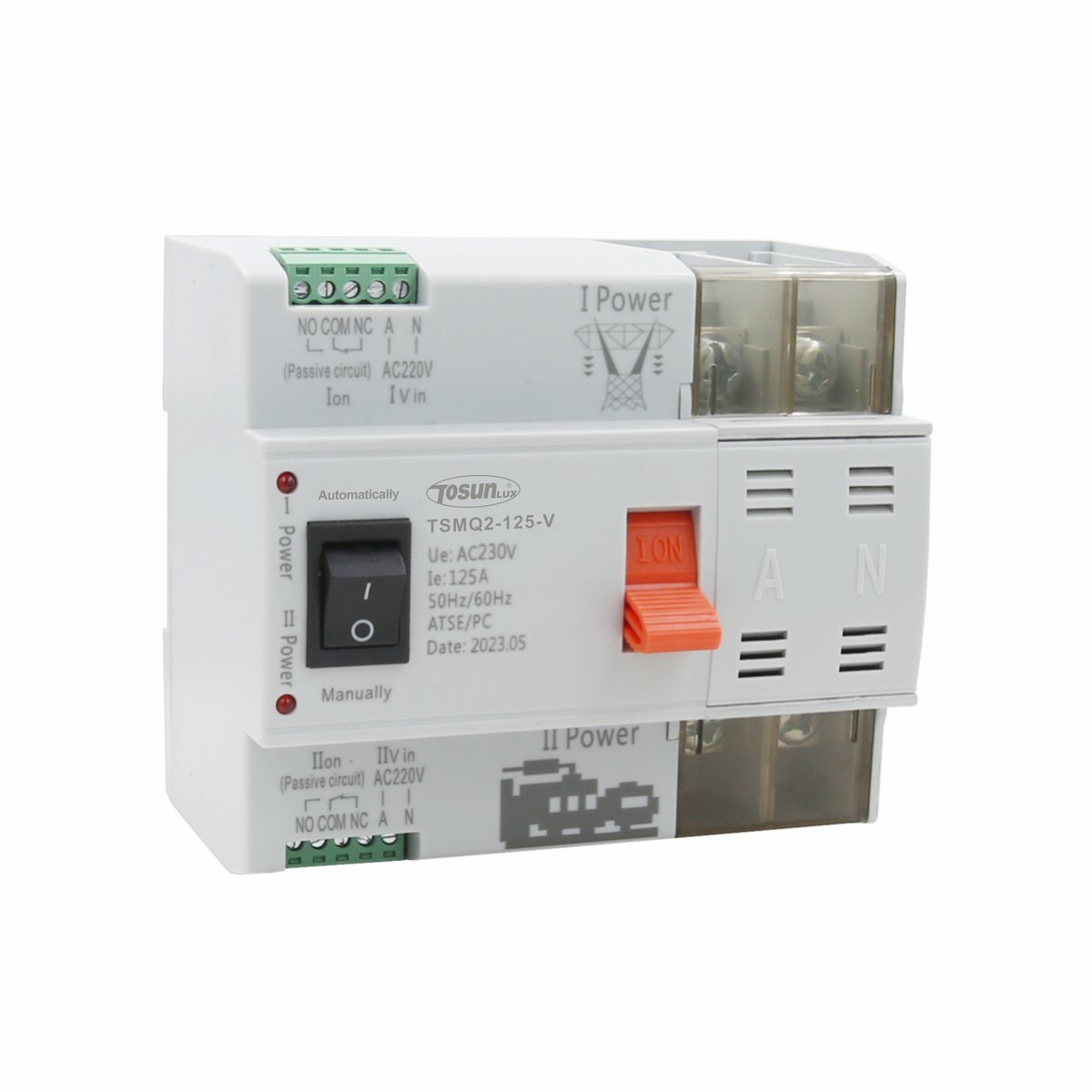
Manual Vs. Automatic Transfer Switches: Which Is Right for You?
When the power goes out, a wired-in backup generator can be a lifeline, keeping your home warm, your food cold, and your lights on. But connecting that generator to your home isn't as simple as plugging it into an outlet. That's where a transfer switch comes in, acting as the critical intermediary. Deciding between a manual vs. automatic transfer switch is one of the most important decisions you'll make when setting up a reliable backup power system. It dictates not just convenience, but cost, capability, and your peace of mind during an outage.
At a Glance: Your Transfer Switch Choices
- Manual Transfer Switches:
- Operation: Hands-on; requires you to start the generator and flip a switch.
- Cost: Significantly lower upfront investment ($700-$2,300 installed).
- Coverage: Typically powers 6-16 essential circuits.
- Ideal for: Budget-conscious homeowners, basic needs, those usually home during outages, smaller generators.
- Maintenance: Simpler, fewer parts, easy to test.
- Automatic Transfer Switches:
- Operation: Fully automated; detects outages, starts generator, switches power, then reverses when utility power returns.
- Cost: Higher investment ($3,000-$8,000 installed).
- Coverage: Can power an entire home or critical systems seamlessly.
- Ideal for: Convenience, medical equipment, frequent travelers, whole-home comfort, larger generators.
- Maintenance: More complex, requires professional service.
Why a Transfer Switch Isn't Optional: Safety First
Before diving into the differences, it's crucial to understand why a transfer switch is non-negotiable for a wired-in backup generator. These devices are essential safety mechanisms. They do two vital jobs:
- Connect Safely: They provide a dedicated, secure connection point for your generator to your home's electrical system.
- Prevent Backfeeding: More importantly, they isolate your home from the main utility grid when the generator is running. Without this isolation, your generator could send electricity back into the utility lines, a dangerous phenomenon known as backfeeding. This not only risks electrocuting utility repair crews working on downed lines but can also damage your generator or other household appliances.
It's not just a good idea; it's the law. All 50 states require the installation of a transfer switch for wired-in backup generators to ensure public and personal safety.
The Manual Transfer Switch: Hands-On Power Control
Think of a manual transfer switch as your command center for essential power during an outage. It's a robust, straightforward device that puts you directly in charge of when and how your backup power comes online.
How it Works: A Step-by-Step Walkthrough
When the grid goes dark, a manual transfer switch requires your active participation. Here’s the typical sequence of events:
- Power Loss Detected: The lights go out.
- Generator Startup: You physically go to your generator (which is typically portable or a smaller standby unit) and start it up.
- Connect to Switch: You connect the generator to the transfer switch using a power cord.
- Flip the Switch: You then go to the transfer switch panel, usually mounted near your main electrical panel, and manually flip a switch or toggle. This action disconnects your home from utility power and connects the pre-selected circuits to your generator's power output.
- Power Restored to Circuits: Your chosen essential circuits—like the refrigerator, furnace, a few lights, or a well pump—now receive power from the generator.
- Reversing the Process: When utility power returns, you reverse these steps: flip the transfer switch back to utility power, disconnect the generator, and then shut it down.
This process typically means you'll be without power for 5 to 15 minutes while you perform these actions.
The Upside: Cost Savings & Simplicity
For many homeowners, the manual transfer switch offers a compelling balance of cost and utility.
- Significantly Lower Cost: This is arguably the biggest advantage. Equipment costs typically range from $200-$800, with installation adding another $500-$1,500. Your total investment could be anywhere from $700 to $2,300, making it 60-70% less expensive than an automatic system.
- Simpler Installation: With fewer complex electronics and control wires, manual transfer switches are generally easier to install. For homeowners with significant electrical experience and a clear understanding of local codes, DIY installation (with proper permits and inspections) might even be an option, further reducing costs.
- Fewer Moving Parts, Easy Maintenance: Their mechanical nature means less to go wrong. Maintenance primarily involves quarterly testing to ensure it's functioning correctly, much like you would test your generator.
- Complete Control: You decide precisely when to engage generator power, preventing any false starts during brief flickers or micro-outages.
- Works with Any Generator: Manual switches are highly versatile, compatible with virtually any type of backup generator, from small portables to larger standby units.
- Long Lifespan: These sturdy devices are built to last, often serving reliably for 20-30 years.
The Downside: The Human Element
While the manual approach offers control, it also comes with certain limitations rooted in its hands-on nature.
- Requires Presence and Physical Operation: You—or someone capable—must be home and able to perform the switching process. If you're away, your home remains dark.
- Response Time Delays: The 5-15 minute period it takes to get power back means a temporary disruption, which might be inconvenient for some.
- Exposure to Weather: Starting the generator and connecting it means venturing outside, potentially in storms, rain, snow, or extreme cold.
- No Remote Monitoring: You won't receive alerts about outages or generator status while away.
- Brief Power Interruption: There's always a momentary loss of power during the switch-over, which can be problematic for sensitive electronics or medical devices.
- Limited Capacity: Manual switches typically control 6-16 circuits, meaning you'll need to prioritize your most essential items.
- Potential for Human Error: Incorrect operation, forgetting to switch back, or not starting the generator properly can lead to issues.
Who It's For: Ideal Scenarios
A manual transfer switch is an excellent choice if:
- You're on a Tight Budget: You need reliable backup power but want to minimize the upfront investment.
- You Have Basic Backup Needs: You're primarily concerned with keeping essentials running, like your refrigerator, furnace/AC fan, a few lights, and perhaps a well pump. For a more detailed look, check out our Manual Generator Transfer Switch Guide.
- You're Usually Home During Outages: Your lifestyle means someone is typically present to operate the system.
- You Prefer Hands-On Control: You like being in charge and are comfortable with the operational steps.
- You Have a Smaller Generator: Your generator is designed to power only select circuits.
The Automatic Transfer Switch: Seamless Power, No Effort
An automatic transfer switch (ATS) represents the pinnacle of convenience and reliability in backup power. It's the "set it and forget it" solution, ensuring your home remains powered with minimal intervention from you.
How It Works: The Automated Process
The magic of an ATS lies in its ability to constantly monitor utility power and act instantly when needed. The process is a seamless dance between the switch and your standby generator:
- Detects Power Loss: The ATS, often equipped with advanced microprocessors, detects a loss of utility power within seconds (typically 2-10 seconds).
- Signals Generator: It automatically sends a signal to your standby generator to start.
- Generator Starts & Warms Up: The generator cranks up and runs for a short period (10-30 seconds) to reach optimal operating speed and voltage.
- Transfers Power: Once the generator is ready, the ATS automatically switches your home's electrical load from the utility grid to the generator.
- Power Restored: Your home's circuits—potentially every single one—are now powered by the generator.
- Monitors Utility Return: The ATS continues to monitor utility power. When it detects that grid power has been consistently restored (usually for 5-10 minutes to ensure stability), it initiates the return process.
- Transfers Back to Utility: The switch automatically transfers your home's electrical load back to utility power.
- Generator Cool-Down & Shutdown: The generator runs a brief cool-down cycle, then automatically shuts off, ready for the next outage.
This entire process occurs whether you're home, at work, or on vacation, often before you even realize the power went out.
The Modern Edge: Features and Smart Monitoring
Today's automatic transfer switches are sophisticated pieces of equipment, especially when paired with modern standby generators. They often include:
- Weekly Self-Testing: Many units perform automated weekly tests to ensure the generator and switch are ready.
- Remote Monitoring: Through apps or web portals, you can monitor your system's status, fuel levels, and receive diagnostic alerts from anywhere in the world.
- Diagnostic Alerts: The system can notify you or your service provider of any issues needing attention.
- Load Management: For homes with high power demands, intelligent ATS units can prioritize essential circuits and shed non-critical loads to prevent generator overload.
The Upside: Convenience & Comprehensive Coverage
The benefits of an automatic transfer switch largely revolve around its hands-off operation and comprehensive capabilities.
- Instant, Seamless Response: Power is restored within seconds, whether you're present or not. This is critical for medical devices, security systems, and data integrity.
- Weather Independent: No need to go outside in inclement weather.
- Whole-Home Coverage: Unlike most manual systems, an ATS can easily power an entire home, offering complete comfort during an outage. This is a huge advantage for larger homes or those with high energy demands.
- Essential for Critical Systems: It's indispensable for households relying on medical equipment (e.g., oxygen concentrators, CPAP machines), sophisticated security systems, or home-based businesses that cannot tolerate power interruptions. Think hospitals or data centers, but scaled for residential use.
- Smart Monitoring & Safety: Built-in diagnostics and safety features minimize manual errors and provide peace of mind.
- No Learning Curve: Once installed, there's nothing for you to learn or do.
The Downside: Investment & Complexity
The advanced capabilities of an ATS come with a higher price tag and more complex installation and maintenance requirements.
- Higher Cost: Equipment alone typically runs $1,000-$3,000. Professional installation is mandatory and can cost $2,000-$5,000, bringing the total investment to $3,000-$8,000.
- Complex Installation: Due to the intricate wiring, control circuits, and integration with the main electrical panel and generator, professional electricians are always required, along with permits and inspections.
- More Maintenance Needs: Automatic systems have more electronic components. Expect annual professional service appointments ($200-$400) and battery replacements every 2-3 years for the generator and sometimes the ATS itself.
- Potential False Starts: While most modern units have adjustable delay settings, very brief utility flickers could theoretically trigger a generator start, leading to unnecessary fuel consumption (though this is less common with proper settings).
- Generator Dependency: An ATS is designed to work with a compatible standby generator. You can't just plug in any portable generator.
- Higher Repair Costs: The electronic components, while reliable, can be more expensive to diagnose and repair than the purely mechanical parts of a manual switch.
- May Require Electrical Panel Upgrades: Especially in older homes, the existing electrical panel might need upgrades to accommodate the ATS and the generator's capacity.
- Shorter Lifespan: Due to the electronic components, the lifespan is typically 15-20 years, slightly less than manual switches.
Who It's For: Ideal Scenarios
An automatic transfer switch is the optimal choice if:
- You Demand Seamless Power: You want instant, uninterrupted power during outages, without any manual intervention.
- You Have Critical Power Needs: Medical equipment, sensitive electronics, or business operations require continuous power.
- You're Frequently Away: Whether for work or leisure, you need your home to be protected even when you're not there.
- You Desire Whole-Home Comfort: You want your entire house—AC, oven, entertainment system, and more—to function normally during an outage.
- You Have Physical Limitations: Operating a manual system in adverse conditions isn't feasible.
- You Prioritize Convenience: You value the peace of mind that comes with a fully automated system.
Manual vs. Automatic: Key Differences at a Glance
| Feature | Manual Transfer Switch | Automatic Transfer Switch |
|---|---|---|
| Operation | Hands-on; manual generator start & switch flip | Fully automated; detects, starts, switches, shuts down |
| Response Time | 5-15 minutes (requires human action) | 10-30 seconds (fully automated) |
| Cost (Installed) | $700 - $2,300 | $3,000 - $8,000 |
| Circuits Powered | 6-16 essential circuits | Whole home or critical circuits |
| User Presence | Required | Not required |
| Weather Exposure | Requires outdoor operation | No outdoor operation required |
| Generator Type | Any type (portable or standby) | Compatible standby generators only |
| Maintenance | Simpler, less frequent, often DIY | More complex, annual professional service recommended |
| Lifespan | 20-30 years (mechanical) | 15-20 years (electronic components) |
| Ideal For | Budget, basic needs, hands-on control, usually home | Convenience, critical needs, frequent travelers, whole-home power |
Making Your Choice: Essential Decision Factors
Choosing between a manual and automatic transfer switch boils down to weighing your priorities against your resources. Here's how to break down your decision.
Your Budget: The Price Tag Difference
The financial investment is often the first and most significant factor.
- Manual: A clear winner on cost. If saving money upfront is your top priority and you can live with the manual operation, this is your choice. The operational costs are also generally lower, as you only run the generator when needed.
- Automatic: A substantial investment, but it buys you unparalleled convenience and critical protection. Consider it an investment in comfort, safety, and property value, especially if your home has significant smart home technology or critical systems. Don't forget to factor in ongoing maintenance costs.
Home Occupancy: Are You Home When It Matters?
Your lifestyle plays a huge role in the suitability of each system.
- Manual: Best if you or a capable family member are almost always home. If you travel frequently, or your property is a vacation home, a manual system will leave you vulnerable during outages.
- Automatic: Designed for "always-on" protection. If you travel often, work long hours, or have a secondary residence, an ATS ensures power is restored even when no one is around. This is especially important for things like security systems, freezers full of food, or pipes freezing in winter.
Power Needs: Essential Circuits vs. Whole-Home Comfort
Consider what you absolutely need running versus what you'd like to have running during an outage.
- Manual: Perfect for "just the essentials." If your primary concern is keeping your refrigerator, a few lights, and your furnace fan operational, a manual switch connected to 6-16 circuits will suffice.
- Automatic: Ideal for whole-home coverage or critical applications. If you need your air conditioning, oven, hot water, and all your creature comforts during an outage, or if you rely on medical equipment that cannot tolerate interruptions, an ATS paired with a large enough standby generator is non-negotiable.
Where You Live: Regional Considerations
The local climate and frequency of outages can influence your decision.
- High Outage Areas: If you live in a region prone to frequent or extended outages (e.g., Texas sees 14% of US outages annually, often with high AC loads in summer or dangerous conditions in winter), the reliability and instant response of an automatic system might justify the higher cost. The thought of manually starting a generator in a blizzard or a summer heatwave might quickly sway you towards automation.
- Mild Climates/Rare Outages: If outages are infrequent and typically short in your area, a manual system might be perfectly adequate.
Local Regulations: Codes and Requirements
Don't forget to check local building codes, as they can sometimes dictate your choices.
- Specific Requirements: Some jurisdictions require automatic transfer switches for generators over a certain size (e.g., 15kW in Texas), for installations involving medical equipment, in commercial applications, or for new construction. Always consult with a local licensed electrician to understand the specific requirements in your area.
Installation Isn't a DIY Project: Safety & Expertise
Regardless of whether you choose a manual or automatic transfer switch, one thing remains constant: professional installation by a licensed electrician is paramount.
Why Professional Installation is Non-Negotiable
Connecting a transfer switch to your home's electrical system is not a task for the inexperienced. It involves working with high voltage, complex wiring, and adhering to strict safety standards.
- Ensuring Safety: A licensed electrician will ensure your system is installed correctly, preventing dangerous hazards like backfeeding, electrocution, and potential equipment damage. They know the National Electrical Code (NEC) inside and out.
- Proper Sizing: Electricians properly size the transfer switch to match your generator's capacity and your home's electrical load, preventing system overload and ensuring efficient operation.
- Permits & Inspections: They'll handle the necessary permits and arrange for inspections, guaranteeing your installation is up to code and legal. This is crucial for insurance purposes and resale value.
While a manual switch is simpler, attempting a DIY installation without extensive electrical expertise is a significant safety risk. Always defer to professionals.
Generator Placement: A Critical Safety Note
Beyond the transfer switch itself, ensure your generator is placed safely. Always position it at least 20 feet from windows, doors, and air intakes. This is crucial to prevent carbon monoxide poisoning, an odorless, colorless, and deadly gas emitted by generators.
Can You Upgrade Later?
What if your needs change? Perhaps you start with a manual system and later decide you want the convenience of an automatic one. The good news is that upgrading from a manual to an automatic transfer switch is possible. However, it's not a simple add-on. It involves:
- Replacing the entire manual switch with an automatic unit.
- Installing new control wiring between the ATS and your standby generator.
- Potentially upgrading your electrical panel if it can't handle the new system.
While feasible, it's generally more cost-effective to install the system that best meets your long-term needs from the outset.
The Final Word: Powering Your Peace of Mind
Choosing between a manual and automatic transfer switch ultimately comes down to your priorities: are you prioritizing initial cost and hands-on control, or ultimate convenience, safety, and seamless power delivery?
A manual transfer switch is a robust, budget-friendly solution for those who are typically home, comfortable with a few minutes of interruption, and primarily need to power essential circuits. It offers a reliable, no-frills path to backup power.
An automatic transfer switch is the premium choice for those who demand instant, effortless power. It's an investment in continuous comfort, critical system protection, and absolute peace of mind, especially for busy families, frequent travelers, or those with medical needs.
Take the time to assess your budget, lifestyle, and power requirements. Consult with a qualified local electrician to discuss your options and get professional advice tailored to your specific home and local codes. With the right transfer switch, you won't just be installing a piece of equipment; you'll be installing confidence for when the grid goes dark.