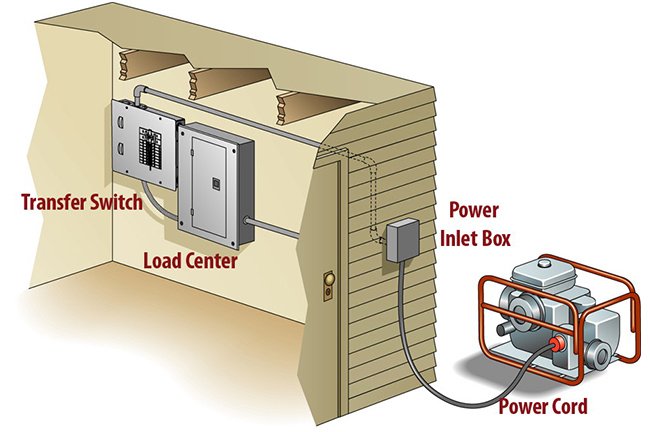
When the power grid goes dark, a silent panic can ripple through a neighborhood. But for those prepared, a seamless transition to generator power means minimal disruption. The secret weapon? A manual transfer switch. It's not just a piece of equipment; it's your home's unsung hero, ensuring safety and functionality when utilities falter. But choosing the right manual transfer switch isn't a one-size-fits-all decision. It demands a thoughtful approach, balancing your specific needs with critical technical specifications to achieve optimal home backup.
Let's cut through the jargon and empower you to make an informed, confident choice.
At a Glance: Your Quick Guide to Manual Transfer Switches
- Safety First: Essential for preventing dangerous backfeed to the grid and protecting utility workers.
- Bridge to Power: Connects your generator to your home's electrical system, allowing you to manually switch between utility and generator power.
- Prioritize What Matters: Lets you select specific circuits (lights, fridge, furnace) to power, avoiding generator overload.
- Key Decisions: Focus on amperage, number of circuits, wattage capacity, safety features, and compliance standards.
- Professional Installation: Always require a licensed electrician to install the switch, adhering to all codes.
- Durability Counts: Look for robust construction (e.g., NEMA 3R rated) to withstand the elements.
Your Home's Lifeline: Understanding the Manual Transfer Switch
Imagine your home as a ship. When the main engine (utility power) fails, you need a reliable way to switch to your auxiliary engine (generator). A manual transfer switch is precisely that: a robust, mechanical bridge that allows you to safely and smoothly transition your home's electrical system from utility power to a generator during an outage.
It’s more than just a fancy switch; it's a critical safety device. Without it, you’d be tempted to use extension cords, which are notoriously unsafe and limit your power. Or, worse, you might attempt to "backfeed" power into your home's main panel, a practice that's incredibly dangerous for utility workers and can severely damage your generator and home's wiring. The manual transfer switch isolates pre-selected circuits, ensuring your generator only powers what you intend, preventing overloads, protecting your house wiring, and eliminating the risk of dangerous backfeed to the grid. When the main power returns, you simply flip a lever to disconnect the generator and return to normal utility power. It’s a simple, effective, and supremely safe solution.
Beyond Blackouts: The Core Benefits You Can't Ignore
While peace of mind during an outage is paramount, the advantages of a manual transfer switch extend much further. These benefits directly impact your comfort, safety, and the longevity of your equipment:
- Enhanced Safety, Period: This is the bedrock. A well-designed transfer switch physically isolates your home from the main grid when the generator is running. This double-throw safety design ensures that electricity from your generator never flows back into utility lines, protecting repair crews from electrocution and preventing damage to your generator from grid power surges when service is restored.
- Power for Your Hardwired Systems: Forget the tangle of extension cords. A manual transfer switch allows your generator to directly power essential hardwired systems – think your furnace, central air conditioning, well pump, or water heater. This means sustained comfort and functionality, rather than piecemeal power for a few appliances.
- Intelligent Power Distribution: Not all circuits are created equal during an outage. A transfer switch empowers you to prioritize. You can pre-select critical circuits like the refrigerator, a few lights, and a medical device, rather than trying to power the entire house. This intelligent distribution ensures your generator isn't overloaded and efficiently uses its available wattage, extending run time and preserving fuel.
The Deciding Factors: How to Choose Your Manual Transfer Switch
Selecting the right manual transfer switch involves more than just picking the first one you see. It’s about matching the switch’s capabilities to your generator, your home’s electrical demands, and your specific needs. Here's what you need to scrutinize.
Amperage: Sizing Up Your Power Needs
Think of amperage as the pipeline carrying your electricity. A wider pipe (higher amperage) can handle more flow. The amperage rating of your transfer switch is paramount because it dictates how much current it can safely handle.
- Generator Output: Your switch's amperage must be compatible with, or exceed, the amperage output of your generator. If your generator outputs 50 amps, a 30-amp switch won't cut it.
- Property Consumption: Consider the total electrical load of the essential circuits you plan to power. Larger homes or those with high-demand appliances (like central AC) will naturally require a higher amperage switch.
- Common Ranges: Manual transfer switches typically range from 30 amps (7,500 watts) for smaller, more focused backup needs, up to 200 amps (48,000 watts) for whole-home backup scenarios. Most residential essential circuit panels fall into the 50-100 amp range. When you're sizing your home generator, ensure its output aligns with your chosen switch.
Number of Circuits: How Many Essentials Do You Need to Power?
This factor is all about defining your "must-have" list during an outage. A transfer switch isolates specific circuits from your main electrical panel.
- Your Priority List: Before you even look at switches, list out every appliance and system you absolutely need to run during an outage. This might include your refrigerator, furnace, water pump, a few lighting circuits, a garage door opener, and perhaps a critical medical device.
- Matching Capacity: Transfer switches come with varying numbers of circuit breakers, from 6-circuit models for very basic needs to 12- or even 16-circuit options for more comprehensive backup. Ensure the switch you select offers enough dedicated circuits to cover all your essentials.
- Wattage & Amperage per Circuit: Remember that each circuit within the transfer switch also has its own wattage and amperage limitations. Confirm that individual circuits can handle the demands of the specific appliances you'll connect (e.g., a dedicated 20-amp circuit for the refrigerator, a 30-amp circuit for a well pump).
Wattage Capacity: Matching Your Generator's Muscle
Wattage is the actual power your appliances consume. Both your generator and your transfer switch must be capable of handling this load.
- Starting vs. Running Wattage: This is a crucial distinction. Many appliances (especially those with motors like refrigerators, pumps, or HVAC units) require a brief surge of "starting wattage" to kick on, which can be significantly higher than their "running wattage."
- Total Load Calculation: Add up the running wattage of all appliances you expect to operate simultaneously. Then, identify the single appliance with the highest starting wattage and add that to your running total (assuming other high-start-wattage items won't start at the exact same moment). This gives you your total required wattage. Your generator must supply sufficient wattage to meet this demand, and your transfer switch must safely accommodate it.
- Voltage: Most home generators and transfer switches operate at 120/240 volts, providing both standard household power and the higher voltage needed for certain appliances (like electric dryers or central AC units). Confirm this compatibility.
Compliance & Codes: The Gold Standard for Safety
You’re dealing with high-voltage electricity; safety and adherence to standards are non-negotiable.
- Certifications Matter: Always look for manual transfer switches that meet rigorous safety and performance standards. Key certifications include:
- UL (Underwriters Laboratories): A globally recognized safety certification.
- CSA (Canadian Standards Association): Essential if you're in Canada, also recognized internationally.
- ETL (Electrical Testing Laboratories): Another reputable product safety certification.
- NEMA Ratings: The National Electrical Manufacturers Association (NEMA) provides standards for electrical enclosures. A NEMA 3R rating is particularly important for outdoor installations, indicating the enclosure provides protection against rain, sleet, external ice formation, and dripping water. Understanding demystifying NEMA ratings ensures your switch can handle its environment.
- National Electrical Code (NEC): In the United States, all electrical installations, including transfer switches, must adhere to the National Electrical Code (NEC), adopted by most states and municipalities. This code ensures safe installation practices and product standards. Your licensed electrician will be well-versed in these requirements.
Safety Features: Built-in Protection You Can't Skip
The primary role of a transfer switch is safety. Look for these critical built-in protections:
- Double-Throw Safety Design: This is fundamental. It's a mechanical interlock that physically prevents the utility and generator power sources from being connected simultaneously, effectively eliminating backfeed.
- Lock Hole (Padlockable): A simple but effective feature, allowing you to padlock the switch in the "off" or "generator" position to prevent accidental or unauthorized operation.
- Dedicated Grounding Position: Proper grounding is vital for electrical safety, protecting against shocks and system damage. Ensure the switch provides clear, dedicated grounding terminals.
- Visible ON/OFF Indicators: Clear, unambiguous indicators (lights or physical labels) for "utility," "generator," and "off" positions reduce user error, especially during stressful outage situations.
- Arc-Extinguishing Designs: Some higher-end switches incorporate designs that help quench electrical arcs that can occur when switching heavy loads, limiting electrical hazards and extending the switch's lifespan.
Durability & Weather Resistance: Built to Endure the Storm
A transfer switch, especially if installed outdoors, needs to withstand the elements. You want a device that will perform reliably for years, not just a few seasons.
- Construction Material: Look for robust materials like galvanized steel construction. This provides excellent corrosion resistance, crucial for longevity, particularly in humid or coastal environments. The casing should be substantial, ideally at least 1.5 mm thick, to protect internal components from physical impact.
- Environmental Ratings: As mentioned, a NEMA 3R rating is the benchmark for outdoor-rated enclosures. This means it's designed to withstand rain, snow, and strong winds without compromising internal components.
- Design Simplicity: Sometimes, less is more. Designs without complex electronic components may offer greater stability and resistance to moisture, dust, and extreme temperatures, as they have fewer points of failure.
- Protective Coatings: High-quality powder coatings or other protective finishes further enhance weather resistance and prolong the aesthetic appearance and structural integrity of the switch.
Installation & Compatibility: Beyond the Purchase
The best transfer switch is useless if it can't be installed correctly or integrate with your existing setup.
- Professional Installation is Mandatory: Let's be crystal clear: A manual transfer switch must be installed by a licensed professional electrician. This is not a DIY project. Improper installation can lead to severe electrical hazards, property damage, and voided warranties. Your electrician will ensure compliance with all codes.
- Pre-wired Convenience: Some models, like specific EcoFlow transfer switches, are designed to be "pre-wired" or offer simplified wiring diagrams, which can significantly reduce installation time and potential wiring errors. While still requiring a professional, these designs can streamline the process.
- Generator Compatibility: Confirm the switch is compatible with your specific generator type. While most are fairly universal for conventional portable generators, always double-check, especially if you have a unique generator (e.g., specific EcoFlow DELTA Pro/Max models are often designed for seamless integration with EcoFlow switches).
- Circuit Breaker Panel Suitability: Your transfer switch connects to your home's main circuit breaker panel. Ensure the switch is compatible with your panel type and space constraints. Some switches are designed only for indoor panels, while others can be installed outdoors.
The Professional Hand: Why Installation Demands an Expert
We've emphasized this before, but it bears repeating: the installation of a manual transfer switch is strictly the domain of a licensed professional electrician. This isn't just a recommendation; it's a critical safety directive rooted in fundamental electrical principles and legal requirements.
An electrician understands:
- National Electrical Code (NEC) & Local Codes: They know the intricacies of these regulations, ensuring your installation is safe, legal, and passes inspection. Violating codes can lead to fines, insurance issues, and, most importantly, extreme danger.
- Proper Sizing & Wiring: They'll confirm your switch, wiring, and generator are all correctly sized for your electrical load, preventing overloads, fires, or damage to your appliances. This includes selecting the correct gauge wire, which can be larger and more challenging to work with than standard household wiring.
- Safe Disconnection & Grounding: They'll ensure the switch is properly grounded and that the critical "double-throw" mechanism functions flawlessly, eliminating the risk of backfeeding power to the utility grid – a hazard that can electrocute utility workers.
- Manufacturer Instructions: While they're experts, they also meticulously follow the specific instructions provided by the transfer switch manufacturer, optimizing performance and maintaining warranty validity.
Attempting to install a transfer switch yourself is inviting disaster. It's one of those situations where saving a few dollars is simply not worth the immense risk to life and property. Prioritizing essential electrical safety tips starts with professional installation.
Making the Final Call: Your Personalized Action Plan
Now that you're armed with comprehensive knowledge, let's distill it into a clear path forward for choosing your manual transfer switch.
- Assess Your "Must-Haves": Start by making an exhaustive list of every appliance and system you absolutely cannot do without during a power outage. Think critical medical equipment, heating/cooling, refrigeration, water pump, and essential lighting.
- Calculate Your Power Needs: For each item on your list, note its running wattage and starting wattage. Sum these up to determine your total required running wattage and your highest surge (starting) wattage. This will inform your generator size and, subsequently, your transfer switch's wattage and amperage capacity.
- Match with Generator Output: Ensure your existing or planned generator can meet these power demands. The transfer switch must match or exceed your generator's output.
- Determine Circuits Needed: Count the number of individual circuits required for your essential items. Select a transfer switch with at least that many circuits, allowing for a little extra if possible.
- Prioritize Safety & Durability: Look for UL/CSA/ETL certifications. If outdoor installation is a possibility, a NEMA 3R rating is non-negotiable. Scrutinize safety features like double-throw design, visible indicators, and grounding.
- Consider Installation & Compatibility: While your electrician will handle the specifics, be aware of any pre-wired options or specific compatibility requirements for your generator or electrical panel.
- Consult a Licensed Electrician: This is your most critical step. Share your needs and calculations with them. They will verify your choices, recommend suitable models, and provide a professional, code-compliant installation plan. They are your ultimate guide in this process.
Choosing the right manual transfer switch is a decision that pays dividends in peace of mind and tangible safety. It’s an investment in uninterrupted comfort and a secure power solution when the unexpected happens. By carefully considering these factors and entrusting the installation to a qualified professional, you’ll ensure your home remains a sanctuary, even when the lights go out.