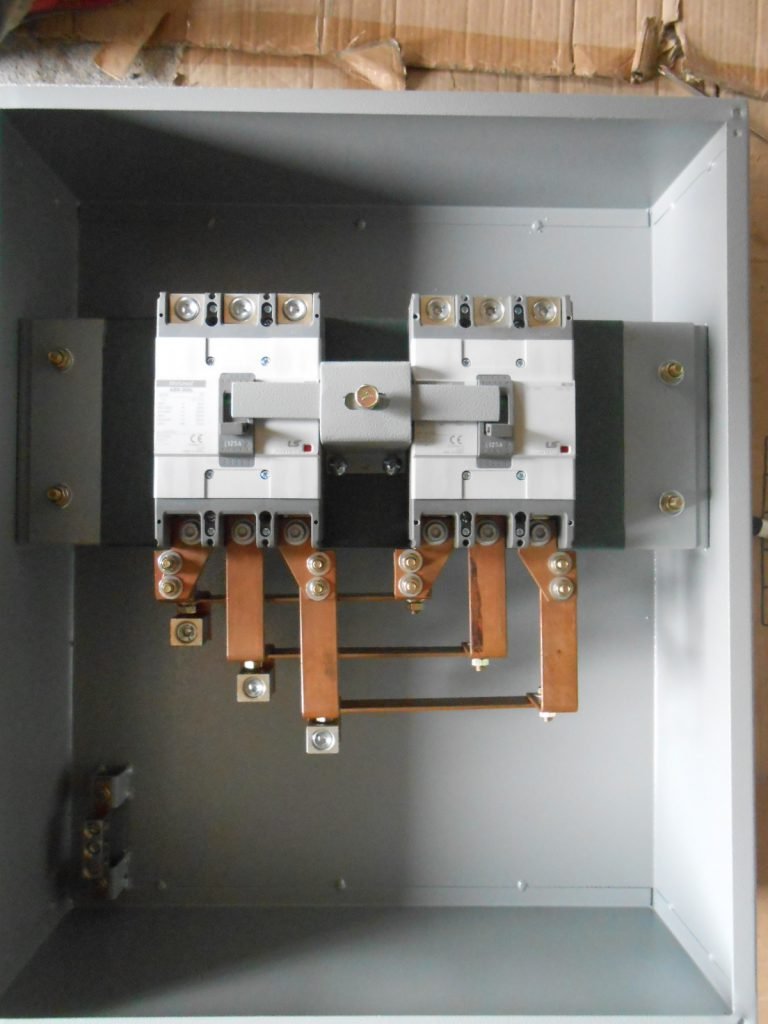
When the lights go out, whether it’s a brief flicker or a multi-day blackout, having a reliable backup power solution for your home is more than a convenience – it’s a necessity. Among the most popular and cost-effective options for connecting a portable generator, a manual transfer switch stands out for its robust Benefits & Safety of Manual Transfer Switches for home generator use. This critical piece of equipment bridges the gap between your utility power and your generator, ensuring your home stays powered safely and efficiently.
It’s about more than just keeping the refrigerator cold; it’s about preventing dangerous electrical accidents, protecting your appliances, and maintaining some normalcy when the grid goes down. Choosing the right backup power strategy starts with understanding how these essential devices work and whether they’re the best fit for your needs.
At a Glance: Manual Transfer Switches
- What it is: A safety device that lets you switch your home's selected circuits from utility power to generator power, preventing dangerous "backfeeding."
- How it works: You manually start your generator, plug it into an inlet box, then flip a switch inside your home to transfer power to specific circuits.
- Key Benefits: Significantly more affordable than automatic systems, simple to operate, works with any portable generator, and offers excellent control over which circuits receive power.
- Safety First: Eliminates hazardous extension cords and protects utility workers from electrocution by physically isolating your home from the grid during generator use.
- Ideal For: Budget-conscious homeowners, those who are typically home during outages, or properties with basic backup needs like a well pump, fridge, and furnace.
The Unsung Hero of Home Backup: What is a Manual Transfer Switch?
Imagine your home's electrical system as a two-lane road. One lane brings power from the utility company, and the other is a potential bypass lane for your generator. A transfer switch acts as the traffic controller, ensuring only one lane is open at a time. A manual transfer switch, specifically, requires you to be the traffic controller, making the switch by hand.
This crucial device isn't just about convenience; it's fundamentally about safety. Without a transfer switch, connecting a generator to your home often involves a dangerous practice called "backfeeding." This is when generator power flows back into the utility grid, risking electrocution for utility workers trying to restore power or damaging expensive grid equipment. A manual transfer switch physically blocks utility power when generator power is active, making backfeeding impossible. It also removes the need for a spaghetti-like tangle of extension cords running through windows and doors, which are not only inconvenient but also present trip hazards and potential fire risks.
When you invest in a manual generator transfer switch, you’re investing in peace of mind.
Benefits That Make Sense (and Cents)
For many homeowners, the advantages of a manual transfer switch make it a clear winner. It balances essential functionality with practical considerations.
1. Cost-Effectiveness: A Budget-Friendly Solution
This is often the most compelling benefit. Manual transfer switches offer significant savings compared to their automatic counterparts.
- Equipment Cost: Expect to pay $200-$800 for the switch itself.
- Installation Cost: Professional installation typically runs from $500-$1,500.
- Total Installed: You're looking at a total investment of $700-$2,300.
To put this in perspective, that’s 60-70% less than the cost of an installed automatic system, which can range from $3,000 to $8,000. For homeowners mindful of their budget, this difference is substantial.
2. Simplicity of Operation: You're in Control
Operating a manual transfer switch is straightforward. While it requires your active participation, the steps are logical and easy to follow once you’ve done it a couple of times. You start your generator, walk to the transfer switch (often installed near your main electrical panel or the generator), and flip a lever. That's it. This direct control means less complex electronics and fewer potential points of failure.
3. Flexibility in Powering Your Home: Pick Your Priorities
Unlike whole-home automatic systems, a manual transfer switch allows you to pre-select 6 to 16 critical circuits that will receive generator power. During installation, you decide which circuits are essential – perhaps the refrigerator, well pump, furnace, a few lights, and an outlet for charging devices. This targeted approach means you don't need a massive, expensive generator to power your entire home; you just need enough to handle your essentials, further reducing overall costs.
4. Universal Compatibility: Works with Any Portable Generator
Another significant advantage is that a manual transfer switch doesn't care what brand or model your portable generator is. As long as your generator has the appropriate power output receptacle (e.g., a 30-amp outlet), it can connect to your transfer switch. This gives you freedom in choosing your generator and peace of mind that your setup isn't locked into a specific ecosystem. You can even upgrade your generator in the future without needing a new transfer switch. The value of a manual generator transfer switch truly shines here.
5. Minimal Maintenance, Maximum Lifespan
Because manual transfer switches are electromechanical devices with fewer complex electronic components than automatic systems, they require minimal maintenance. A simple quarterly test — flipping the switch and ensuring it operates smoothly — is usually sufficient. With this basic care, a quality manual transfer switch can reliably serve your home for 20-30 years, offering decades of safe backup power.
Navigating the Downsides: When Manual Might Not Be for You
While manual transfer switches offer compelling benefits, they aren’t a one-size-fits-all solution. Understanding their limitations is crucial for making an informed decision.
1. Requires Presence and Manual Steps
The most significant "drawback" is right in the name: it's manual. When an outage occurs, someone must be home to physically start the generator, connect it, and flip the switch. If you travel frequently, are often away from home for extended periods, or have elderly family members who might struggle with the process, this might not be the ideal solution.
2. Brief Power Interruption During Transfer
During the switching process, there will be a brief moment (typically less than a minute) when power is completely off as you transition from utility to generator power. For most homes, this is a minor inconvenience. However, if you rely on critical medical equipment that requires uninterrupted power, or if even a momentary power loss could damage sensitive electronics, an automatic system might be more suitable.
3. Safety Risks During Storms
Outages often happen during severe weather – heavy rain, snow, or high winds. Having to venture outside to start your generator, especially if it's located some distance from your home, can expose you to hazardous conditions. This isn't just uncomfortable; it can be dangerous.
4. Not for Uninterrupted Power Needs
As mentioned, sensitive medical equipment (like certain CPAP machines or oxygen concentrators) often cannot tolerate even a brief power interruption. If your household relies on such devices, an automatic transfer switch or a generator with an integrated UPS (Uninterruptible Power Supply) might be a safer choice.
5. Potential for Human Error
While operating a manual transfer switch is simple, there's always a small risk of forgetting a step or performing it incorrectly, especially under stress or in the dark. Proper labeling and practice can mitigate this, but it’s a factor to consider.
Sizing Up Your Needs: Choosing the Right Manual Transfer Switch
Selecting the correct manual transfer switch involves matching it to your generator's capabilities and your home's needs.
Matching Amp Rating to Your Generator
The transfer switch's ampere rating must be equal to or greater than the largest outlet on your generator. Most portable generators use a 30-amp or 50-amp twist-lock receptacle for their highest output. Your transfer switch should have a corresponding 30-amp or 50-amp inlet box. This ensures the safe and efficient flow of power from the generator to your home's circuits. Don't undersize your switch; it's a critical safety component.
The Importance of Wattage Meters
Many manual transfer switches include a built-in wattage meter. This isn't just a fancy display; it's a vital tool to prevent overloading your generator. By monitoring the real-time power draw of your selected circuits, you can ensure you stay within your generator's capacity, preventing trips, damage to the generator, or even potential fire hazards. It’s an easy way to practice responsible power management during an outage.
Installation and Safety First: What You Need to Know
Regardless of the type of transfer switch you choose, proper installation is paramount. This is not a DIY project for the faint of heart unless you possess significant electrical expertise and are fully compliant with local codes.
Why Professional Installation is Non-Negotiable
A qualified, licensed electrician understands local electrical codes and safety standards. They will ensure your transfer switch is correctly wired to your main electrical panel and the power inlet box, preventing fire hazards, electrocution risks, and costly damage. Attempting a DIY installation without proper knowledge can lead to severe injury, property damage, and may even void your home insurance. When considering a manual generator transfer switch, always factor in professional installation.
Generator Placement: The Invisible Threat of CO
Generator exhaust contains carbon monoxide (CO), a colorless, odorless, and deadly gas. Proper generator placement is absolutely critical for safety. Always operate your generator at least 20 feet away from windows, doors, and air intakes to prevent CO from entering your home. Ensure it's in a well-ventilated area, away from combustibles, and protected from rain or snow. Installing CO detectors in your home is also a vital safety measure.
Permits and Local Codes
Many localities require permits and inspections for generator and transfer switch installations. These regulations are in place to ensure safety and compliance. A professional electrician will be familiar with these requirements and can help you navigate the process, ensuring your installation meets all local standards.
Manual vs. Automatic: A Quick Comparison
While this article focuses on manual systems, understanding the key differences with automatic transfer switches (ATS) helps clarify why a manual system might be your ideal choice.
| Feature | Manual Transfer Switch | Automatic Transfer Switch (ATS) |
|---|---|---|
| Operation | Human intervention required (start generator, flip switch). | Automatically detects outages, starts generator, transfers power. |
| Power Restoration | Minutes (depending on user action). | Seconds (10-30 seconds typically). |
| Circuits | Controls 6-16 selected circuits. | Typically whole-home, or larger blocks of circuits; can have load management. |
| Cost (Installed) | $700 - $2,300 | $3,000 - $8,000+ |
| Maintenance | Minimal (quarterly testing). | Significant (annual professional service, $200-$400/year). |
| Lifespan | 20-30 years (electromechanical). | 15-20 years (electronic components). |
| Ideal For | Budget-conscious, home during outages, basic needs, weekend cabins. | Frequent travelers, medical needs, large homes, maximum convenience. |
| As you can see, the primary differentiator often boils down to cost, convenience, and the need for uninterrupted power. For most homeowners, the benefits of a manual transfer switch—especially its affordability and reliability—make it a highly attractive option. |
Your Playbook for Power: Operating a Manual Transfer Switch Safely
Knowing the steps is one thing; mastering them safely is another. Practice this sequence (without utility power present) to build confidence.
- Safety First: Ensure your generator is outside, at least 20 feet from windows and doors, and properly ventilated.
- Turn Off the Transfer Switch: Before connecting anything, move the transfer switch lever to the 'Off' or 'Utility' (or 'Line') position. Some switches require you to turn off all individual circuit breakers on the transfer switch panel first.
- Connect the Generator Cord: Plug your heavy-duty generator cord into the power inlet box connected to your transfer switch. Then, connect the other end to your generator's appropriate outlet.
- Start the Generator: Follow your generator's manufacturer instructions to start it. Allow it to run for a few minutes (warm-up period) to stabilize its voltage and frequency.
- Transfer Power: Once the generator is stable, move the main lever on your transfer switch from 'Line' (or 'Utility') to 'Generator'. If you turned off individual circuit breakers in step 2, now flip on the breakers for the circuits you want to power, one by one, to avoid overloading the generator with a sudden surge.
- Monitor Your Load: Use the wattage meter (if available) on your transfer switch to ensure you're not exceeding your generator's capacity. Cycle off non-essential appliances if needed.
- When Utility Power Returns: First, move the main lever on your transfer switch from 'Generator' back to 'Line' (or 'Utility'). If you turned off individual breakers for generator power, flip them off now.
- Shut Down Generator: Allow the generator to run for a few minutes with no load to cool down. Then, turn off the generator and disconnect the cord.
- Restore Normalcy: You can now flip any individual circuit breakers back on if they were off during the generator operation.
Mastering these steps ensures you’re leveraging the full Benefits & Safety of Manual Transfer Switches during an outage.
Keeping Your System Ready: Maintenance for Longevity
The beauty of a manual transfer switch lies in its minimal maintenance. Unlike automatic systems that require annual professional servicing, you primarily need to perform basic checks.
- Quarterly Testing: At least once every three months, manually flip the transfer switch from utility to generator (even if you don't connect a generator) to ensure the mechanism moves freely and doesn't stick.
- Visual Inspection: Periodically check the wiring and connections for any signs of wear, corrosion, or damage.
- Generator Maintenance: Remember to also maintain your generator according to its manufacturer's guidelines, including oil changes, fuel stabilization, and battery checks (for electric start models).
With this simple care, your manual transfer switch can easily last 20-30 years, proving to be a durable and reliable investment.
Making the Smart Choice: Key Considerations Before You Buy
Deciding on the right backup power solution is a significant decision. Here's a framework to guide you.
Budget vs. Needs: A Realistic Assessment
Start with your budget. If the initial and ongoing costs of an automatic system are prohibitive, a manual transfer switch immediately becomes a strong contender. Then, define your "must-have" circuits: well pump, furnace, refrigerator, communication (internet modem, phone charger), and perhaps a few lights. Don't overbuy if you only need basic functionality. This is where the cost-effectiveness and targeted approach of a manual generator transfer switch really shine.
Lifestyle Assessment: Are You Present During Outages?
Be honest about your availability. If you travel frequently or are rarely home, an automatic system might be worth the extra investment for peace of mind. If someone is almost always home and capable of operating the system, a manual switch is a perfectly viable choice.
Regional Factors: Outage Frequency and Duration
In areas prone to frequent or prolonged outages (e.g., rural areas, regions affected by severe weather like hurricanes or ice storms), reliable backup power becomes even more critical. While an automatic system offers faster restoration, a manual system still provides essential power if you’re prepared to operate it. Some utilities even offer rebates for systems that can reduce stress on the grid.
Long-Term Costs: Beyond the Sticker Price
For automatic systems, remember to factor in annual professional maintenance ($200-$400) which adds up over 15-20 years. Manual systems have virtually no recurring maintenance costs, further widening the financial gap over time.
Flexibility: Future-Proofing Your Investment
It's entirely possible to start with a manual transfer switch system to meet immediate needs and budget constraints. Later, if your circumstances change or your budget allows, you can often upgrade to an automatic system by simply replacing the manual switch with an ATS and adding the necessary control wiring. This offers a path for evolution without a complete overhaul.
Getting Professional Quotes: Your Essential Next Step
Once you have a clearer idea of your needs and preferences, obtain quotes from multiple qualified, licensed electricians. They can assess your home's unique electrical system, recommend appropriate transfer switch sizes, and provide accurate installation costs. Don't rush this decision; this system will serve your home for decades.
Empowering Your Home: Your Next Steps
Choosing to install a manual transfer switch is a proactive step towards greater home resilience and safety. You're not just buying a piece of equipment; you're investing in the ability to protect your family, preserve your food, and maintain essential functions during unexpected power disruptions.
Now that you understand the compelling Benefits & Safety of Manual Transfer Switches, your next move is clear: research portable generators that match your power needs, connect with reputable, licensed electricians for installation quotes, and familiarize yourself with the operation steps. With a bit of planning and preparation, you can transform the stress of a power outage into a manageable inconvenience, keeping your home powered and your family safe.